Ever looked up at the sky and felt inspired to sketch those fluffy white shapes drifting by? Cloud drawing isn’t just child’s play—it’s a powerful creative outlet that blends observation, imagination, and artistic skill. Whether you’re a beginner or a seasoned artist, mastering how to draw clouds can elevate your artwork to breathtaking new heights.
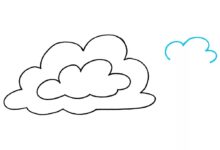
What Is Cloud Drawing and Why It Matters

Cloud drawing is the artistic practice of capturing the form, texture, and movement of clouds on paper, canvas, or digital platforms. It’s more than just sketching white puffs in the sky—it’s about understanding light, shadow, atmosphere, and emotion. Artists have long used cloud drawing to enhance landscapes, convey mood, and explore abstract expression.
The Artistic Definition of Cloud Drawing
Cloud drawing involves rendering the ethereal nature of clouds using various techniques such as shading, blending, and layering. Unlike rigid objects, clouds are dynamic and ever-changing, making them a challenging yet rewarding subject. The goal isn’t always realism; sometimes, it’s about capturing the feeling a sky evokes—tranquility, drama, or even foreboding.
- It focuses on form, volume, and soft transitions between light and dark.
- Cloud drawing often serves as a foundational skill in landscape and atmospheric art.
- It encourages artists to observe nature closely and translate fleeting moments into lasting visuals.
Historical Significance in Art
Clouds have played a vital role in art history. From J.M.W. Turner’s turbulent skies to John Constable’s detailed cloud studies, artists have long recognized the emotional and compositional power of clouds. Constable, in particular, made hundreds of cloud drawings to understand meteorological patterns and improve the realism of his paintings.
“The sky is the source of light in nature—and governs everything.” — John Constable
His cloud sketches, often annotated with notes on wind direction and time of day, were revolutionary. They showed that cloud drawing wasn’t just decorative—it was scientific and expressive. You can explore his original studies at the Victoria and Albert Museum, which houses a significant collection of his work.
The Science Behind Clouds: A Foundation for Cloud Drawing
To draw clouds convincingly, you need to understand what they are made of and how they behave. Cloud drawing becomes more accurate and expressive when grounded in meteorological knowledge. This section breaks down cloud types, formation, and visual characteristics essential for artists.
Types of Clouds and Their Visual Traits
Clouds are classified into several main types, each with distinct shapes, altitudes, and textures. Recognizing these helps artists choose the right techniques for cloud drawing.
- Cumulus: Fluffy, cotton-like clouds with flat bases. Ideal for practicing volume and soft edges in cloud drawing.
- Stratus: Layered, gray sheets that cover the sky. These require smooth gradients and minimal contrast.
- Cirrus: Thin, wispy clouds high in the atmosphere. Best rendered with fine lines and delicate strokes.
- Nimbus: Rain-bearing clouds, often dark and dense. These demand strong shading and dramatic contrast.
Understanding these types allows you to match your cloud drawing style to the mood you want to convey. A sunny day calls for cumulus; a stormy scene needs nimbostratus.
How Clouds Form and Change
Clouds form when water vapor condenses into tiny droplets or ice crystals around particles in the air. The process depends on temperature, humidity, and air pressure. As an artist, knowing this helps you anticipate how clouds evolve—how they grow, dissipate, or transform.
For instance, cumulus clouds can develop into towering cumulonimbus during thunderstorms. Capturing this progression in cloud drawing adds narrative depth. A series of sketches showing cloud development can tell a visual story of changing weather.
For a deeper dive into cloud formation, visit the National Oceanic and Atmospheric Administration (NOAA) website, which offers free educational resources on meteorology.
Essential Tools for Cloud Drawing
The right tools can make or break your cloud drawing experience. Whether you prefer traditional media or digital platforms, selecting appropriate materials enhances your ability to capture the softness and luminosity of clouds.
Traditional Media: Pencils, Charcoal, and Pastels
Traditional tools remain popular for cloud drawing due to their tactile feedback and natural blending capabilities.
- Graphite Pencils (2B–8B): Softer pencils allow for smooth gradients, essential for cloud shading.
- Blending Stumps and Tortillons: These help create seamless transitions between light and dark areas.
- White Charcoal or Chalk: Useful for lifting highlights on toned paper, mimicking sunlight hitting cloud tops.
- Soft Pastels: Ideal for vibrant skies and atmospheric effects. Brands like Sennelier offer high-pigment pastels perfect for cloud drawing.
Using textured paper can add depth to your cloud drawing, as the tooth of the paper holds layers of pigment and creates a granular effect similar to cloud texture.
Digital Tools: Tablets and Software
Digital cloud drawing offers flexibility and precision. With layers, undo functions, and customizable brushes, digital platforms are ideal for experimenting.
- Graphics Tablets: Wacom and Huion tablets provide pressure sensitivity crucial for realistic cloud drawing.
- Software: Programs like Adobe Photoshop, Procreate, and Krita have specialized brushes for clouds and skies.
- Brush Packs: Download cloud-specific brush sets from sites like Brushes.cc to speed up your workflow.
Digital artists can simulate atmospheric perspective by adjusting layer opacity and using gradient maps, making cloud drawing more dynamic and efficient.
Step-by-Step Guide to Cloud Drawing
Now that you understand the basics, let’s walk through a practical cloud drawing process. This step-by-step guide works for both traditional and digital media and focuses on creating realistic, three-dimensional clouds.
Step 1: Observe and Sketch Basic Shapes
Start by observing real clouds or reference photos. Avoid drawing them as solid objects—think of them as collections of soft, overlapping forms.
- Use light, loose lines to outline the general mass of the cloud.
- Break large clouds into smaller domes or cauliflower-like clusters.
- Leave gaps between sections to suggest transparency and depth.
This initial sketch should feel airy, not rigid. The goal is to capture the cloud’s organic flow.
Step 2: Build Volume with Shading
Shading gives clouds their three-dimensionality. Most clouds are lit from above, so the top surfaces are brightest.
- Apply mid-tones to the lower curves of cloud forms.
- Use circular or swirling motions to mimic the soft texture of clouds.
- Keep edges soft—avoid hard lines unless depicting sharp storm clouds.
For digital artists, use a soft airbrush tool with low opacity to build up shadows gradually. Traditional artists can smudge graphite gently with a tissue or blending stump.
Step 3: Add Highlights and Atmosphere
Highlights make clouds glow. They’re usually found on the uppermost curves facing the light source.
- Use an eraser (traditional) or a white brush (digital) to lift or paint highlights.
- Keep highlight shapes irregular—real clouds don’t have perfect reflections.
- Consider the sky’s color: a blue sky casts cool light, affecting shadow tones.
Don’t overdo highlights. Subtlety is key. A few well-placed bright spots can make a cloud drawing look luminous.
Advanced Cloud Drawing Techniques
Once you’ve mastered the basics, it’s time to explore advanced methods that add drama, realism, and artistic flair to your cloud drawing.
Creating Dramatic Skies with Contrail and Storm Clouds
Storm clouds and contrails (airplane trails) introduce movement and tension into your artwork.
- For storm clouds, use dark, heavy shading at the base with sharp contrasts.
- Contrails are thin, linear clouds—draw them with a fine tool and slight blur to suggest diffusion.
- Combine cumulonimbus with lightning for a powerful cloud drawing composition.
Study weather photography from sources like National Weather Service to see how real storm systems look.
Using Color Theory in Cloud Drawing
Clouds aren’t just white and gray—they reflect the colors of their environment.
- Sunrise and sunset turn clouds pink, orange, and purple due to Rayleigh scattering.
- Cool light (like twilight) casts blue or lavender tones on clouds.
- Use complementary colors in shadows—e.g., a warm light source creates cool shadows.
In digital cloud drawing, use overlay or color dodge layers to simulate colored light. Traditional artists can layer colored pencils or pastels lightly over graphite.
Incorporating Cloud Drawing into Larger Artworks
Cloud drawing rarely exists in isolation. It’s usually part of a larger scene—landscapes, cityscapes, or fantasy art. This section explores how to integrate clouds seamlessly into broader compositions.
Clouds in Landscape Art
In landscape painting and drawing, clouds guide the viewer’s eye and set the mood.
- Use clouds to lead the eye toward a focal point, like a mountain or sunset.
- Vary cloud density to create depth—distant clouds appear lighter and less detailed.
- Align cloud direction with wind patterns in the scene for realism.
Remember: clouds are part of the atmosphere, not floating on a flat plane. They recede into the distance just like the ground.
Clouds in Fantasy and Concept Art
Fantasy artists use cloud drawing to create otherworldly skies, floating islands, or magical phenomena.
- Exaggerate scale and color for dramatic effect.
- Combine clouds with glowing elements or unnatural shapes.
- Use cloud layers to suggest altitude in aerial scenes.
For inspiration, check out concept art from studios like Pixar, where skies are meticulously designed to enhance storytelling.
Common Mistakes in Cloud Drawing and How to Fix Them
Even experienced artists make errors when drawing clouds. Recognizing these pitfalls helps you improve faster.
Mistake 1: Drawing Clouds as Solid Objects
One of the most common issues is treating clouds like solid cotton balls. Real clouds are semi-transparent and have internal structure.
- Solution: Use broken edges and overlapping forms to suggest depth.
- Solution: Leave areas of paper visible within the cloud to imply light passing through.
Mistake 2: Overusing White Highlights
Too many bright spots make clouds look flat or glittery, not soft and voluminous.
- Solution: Limit highlights to the most exposed areas.
- Solution: Use mid-tones to suggest form—shadows define shape more than highlights.
Mistake 3: Ignoring Light Source Consistency
If the sun is in the upper right, all clouds should follow that lighting logic.
- Solution: Sketch a light direction arrow before starting.
- Solution: Check that highlights and shadows align across all cloud forms.
Cloud Drawing as a Mindfulness and Creative Practice
Beyond technical skill, cloud drawing offers mental and emotional benefits. It’s a meditative act that connects you with nature and fosters presence.
Mindful Observation and Sketching
Sitting outside and drawing clouds forces you to slow down and observe details—their movement, texture, and transformation.
- Practice 10-minute cloud drawing sessions as a form of visual meditation.
- Focus on breathing while sketching, letting your hand follow the cloud’s flow.
- Use this time to disconnect from screens and reconnect with the natural world.
“Cloud watching is the cheapest form of therapy.” — Anonymous
Boosting Creativity Through Cloud Drawing
Clouds are nature’s Rorschach test. Their ambiguous shapes spark imagination.
- Challenge yourself to see figures or stories in clouds and sketch them.
- Use cloud drawing as a warm-up exercise before larger projects.
- Keep a cloud journal to track your progress and moods over time.
Many artists report that regular cloud drawing improves their ability to think abstractly and solve visual problems.
What is the easiest way to start cloud drawing?
The easiest way to start cloud drawing is by observing real clouds and sketching their basic shapes with a soft pencil. Focus on light and shadow rather than details. Use reference photos if you’re indoors, and practice simple cumulus clouds first—they’re the most common and easiest to render.
What materials do I need for cloud drawing?
For traditional cloud drawing, you’ll need soft graphite pencils (2B–6B), blending tools, an eraser, and smooth or lightly textured paper. For digital, a graphics tablet and software like Procreate or Photoshop with cloud brushes will suffice. Pastels and charcoal also work well for expressive cloud drawing.
How do I make clouds look realistic in my drawings?
To make clouds look realistic, focus on soft edges, proper lighting, and volume. Avoid hard lines. Use gradients to show form, and remember that clouds are lit from above. Study real clouds or photos to understand how light interacts with their surfaces. Adding subtle color can also enhance realism, especially during sunrise or sunset.
Can cloud drawing improve my overall art skills?
Absolutely. Cloud drawing improves your understanding of light, form, and atmosphere—skills that transfer to all areas of art. It enhances observational abilities, teaches soft blending techniques, and fosters patience. Many professional artists use cloud studies as daily practice to stay sharp.
Are there famous artists known for their cloud drawing?
Yes, John Constable is perhaps the most famous for his detailed cloud studies. J.M.W. Turner also masterfully depicted dramatic skies. Modern artists like Alexei Alexeev and James Gurney continue this tradition, blending realism with atmospheric depth in their cloud drawing and painting.
Cloud drawing is far more than a simple sketching exercise—it’s a gateway to deeper artistic understanding, emotional expression, and mindful connection with the world. From the scientific principles behind cloud formation to the advanced techniques used by master artists, this practice offers endless opportunities for growth. Whether you’re using a pencil, pastel, or digital stylus, every stroke brings you closer to capturing the fleeting beauty of the sky. So next time you look up, don’t just see clouds—see a canvas waiting to be drawn.
Further Reading:
